Spain is known primarily for its beautiful beaches, rich history, culture, excellent cuisine, and warm climate. However, also associated with this Mediterranean country are squatters, known as “okupas,” who illegally occupy properties in Spain. Contrary to popular opinion, their takeover of apartments or houses does not occur in all parts of the country. Why does the problem of okupas essentially not affect the Costa del Sol?
How can you protect your property from illegal seizure by squatters in 2024?
Squatters in Spain – Who Are They?
Okupas are individuals or groups of people who occupy properties located in Spain – apartments, houses, or vacant units – without the owner’s consent. The term “okupas” originates from the Spanish word “okupar” or “ocupar,” meaning “to occupy,” which perfectly describes the nature of this phenomenon. Current legal regulations provide for the possibility of rapid eviction if the property takeover occurred within 48 hours. Unwanted occupants who have taken over a property and remained unnoticed for more than 2 days, as a rule, have the right to stay. Nevertheless, this practice is illegal throughout the country. This means that illegal occupation of dwellings is considered a crime. Spanish property law stipulates that those who have experienced an unlawful intrusion onto their property can take legal action, including initiating court proceedings to regain lost control. Such a crime is punishable by a fine or imprisonment for a period of three months to several years.
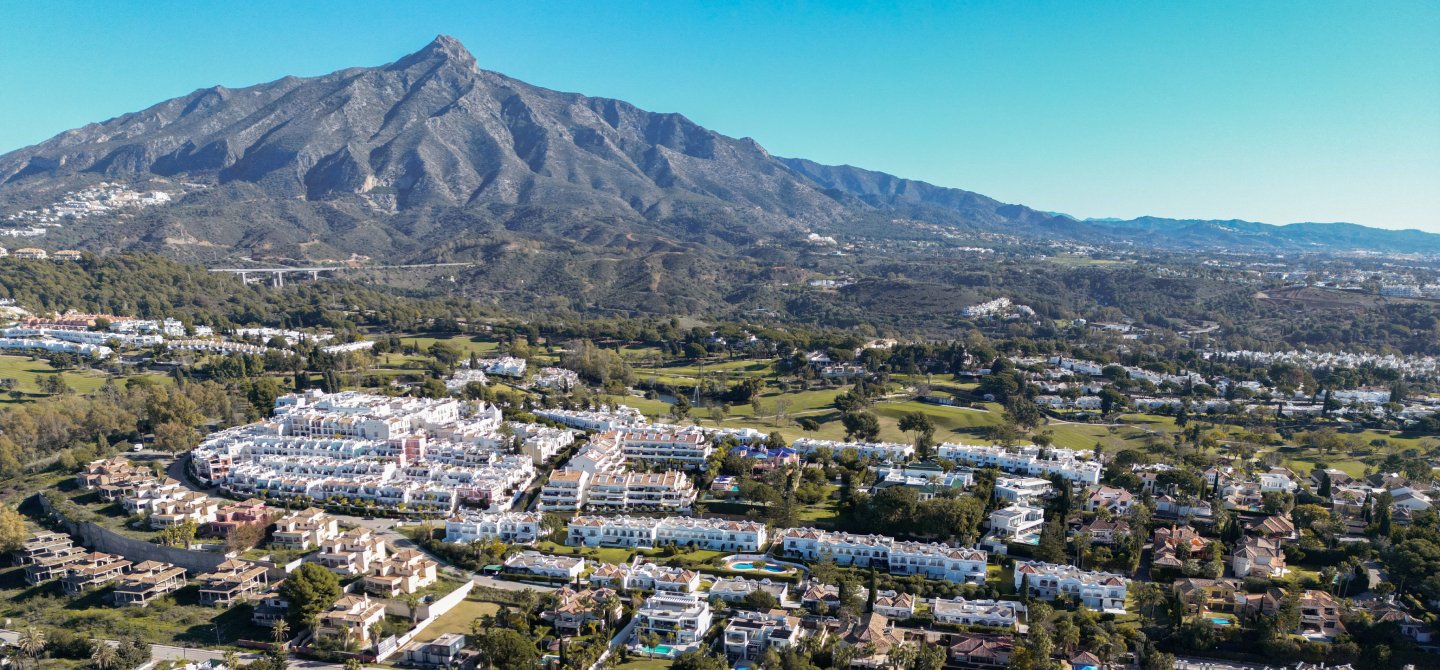
Properties in Spain.
Where Can Okupas Be Found?
The problem of squatters is not uniform and does not occur throughout the entire country. It significantly affects large, densely populated cities in Spain, including Madrid, Barcelona, Seville, and Valencia. This is due to the large number of vacant properties, continuously growing demand for real estate, and prices that often exceed the financial capabilities of many Spaniards. Older buildings, lack of surveillance, security, or fencing, as well as high seasonality, also contribute to easier access to properties.
Why is the Problem of Illegal House and Apartment Occupancy by Squatters Practically Non-Existent on the Southern Coast?
Those who plan to occupy a house or apartment usually observe the property. The aim is to check if the owners are definitely not at home, if no one is looking after the apartment, and if there is no one nearby who could thwart their plans. They look for an easy target. A place they can enter, change the locks, and settle into.
On the Costa del Sol, this problem is rare. Several key factors contribute to this situation:
1. Climatic Conditions and High Tourist Traffic
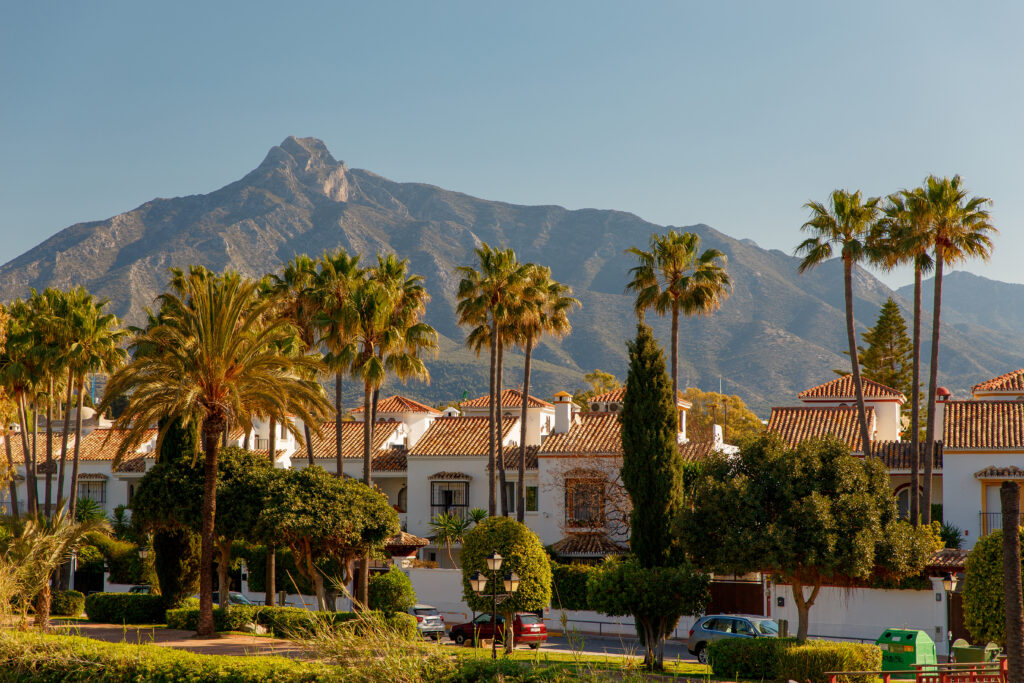
The southern coast of Spain, due to its weather conditions (the sun shines here for about 320 days a year) and numerous attractions, is vibrant year-round. It is an area dominated by resorts, beaches, and luxury properties, primarily attracting tourists and affluent individuals. When the holiday season ends, the golf season begins, so the cities and settlements here do not become deserted. Consequently, it is more difficult to plan the theft of apartments or houses here.
2. Social and Economic Structure
The large number of tourists and foreign property buyers creates a specific social and economic structure on the coast of the sun. This also influences the lower propensity of okupas to engage in such activities, as well as significantly more effective protection of residents’ privacy and property security.
3. Continuously Developing Real Estate Market
The real estate market in the south of the country is much more stable. Vacant properties are less common here due to the highly developed short-term rental market for tourists and development investments. The number of initiated and planned investments is truly impressive. As is their standard. New housing estates and houses being built are mostly guarded. The level of security is enhanced not only by the estate fencing but also by monitoring and security guards. It is hard to imagine someone regularly jumping over such a fence and eventually, unnoticed by anyone, finding an illegal roof over their head with us.