
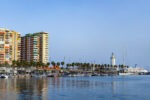
Malaga is one of those places that captivate at first glance. Located on the azure waters of the Mediterranean Sea, it attracts tourists yearning for beaches and palm trees, as well as investors seeking attractive properties. This city boasts over three thousand years of history. Modernity intertwines with the legacy of the Phoenicians, Romans, and Moors. Malaga pulsates with life all year round, offering a rich cultural scene and a unique climate that, combined with a rapidly developing real estate market, makes it a true gem of the Costa del Sol.
See also:
- Investing on the Costa del Sol? Discover the advantages of houses and apartments in this region of Spain.
- Holiday Apartment for Rent: How to Prepare It?
- What Do Buyers Most Often Ask About Property in Spain?
What to see in Malaga during a short or extended stay?
In the very heart of the city lies the Alcazaba, an 11th-century Arab fortress offering breathtaking views of the city and port. Adjacent is the Roman Theatre, accidentally discovered in the 1950s. Art enthusiasts should definitely visit the Museo Picasso Málaga. The artist was born here, and the museum displays over 200 of his works.
You cannot miss the Malaga Cathedral, called La Manquita (the One-Armed) by locals due to the absence of one of its towers. Although the cathedral’s construction was never completed, its interior and facade capture the attention of every visitor.
As the sun begins to set, a stroll along the modern Muelle Uno boulevard is highly recommended. It’s full of shops and restaurants, offering unique views of the sun setting over the sea.
Fascinating facts about Malaga that will surprise many travelers
Although Malaga is famous for its beach life, few people know that it hosts one of the largest flamenco festivals in Spain. Every August, the city transforms into a grand stage where dancers and musicians perform until dawn.
Another interesting fact is that Malaga was one of the first cities on the Iberian Peninsula to have electric street lighting, as early as the late 19th century. The city has always embraced modernity, as evidenced by its innovative technology park – Parque Tecnológico de Andalucía.
Not everyone knows about the local delicacy, espeto de sardinas – sardine skewers grilled over open flames directly on the beach. They have an almost cult status and are a mandatory part of any local feast.
Malaga: History and Heritage
Founded by the Phoenicians around 770 BCE as Malaka, Malaga has witnessed changing empires and cultures over centuries. The Romans transformed the city into an important trading port, as evidenced by numerous artifacts from that period, including the aforementioned Roman Theatre.
In the Middle Ages, Malaga was under Moorish rule, who left behind the Alcazaba. Typical street layouts and irrigation systems from that era are also visible. It wasn’t until 1487 that the city was conquered by the Catholic Monarchs, marking a new chapter in its history.
Today, Malaga blends its historical spirit with dynamic development, attracting tourists and those planning to settle permanently.
Malaga Property Prices in 2025: Is It Worth Investing?
For several years, Malaga has been attracting investors from around the world. The average price per square meter is currently around €3,500–€4,000. In premium neighborhoods like Limonar or La Malagueta, prices can exceed €6,000 per square meter. Apartments with sea views and modern developments with private pools and green spaces are in highest demand. Importantly, the demand for real estate in Malaga remains strong. The city regularly ranks among the most attractive places to live and work remotely in Europe, further boosting the market.
It is worth noting that investments in Malaga are considered relatively safe, especially compared to larger Spanish cities like Madrid or Barcelona, where the market can be more saturated and regulated. Malaga remains flexible and welcoming to new investors.
An Ideal City for Leisure and Investment
Malaga combines a unique climate, rich history, vibrant streets, and a growing real estate market. It is an excellent location for a holiday stay and a long-term investment. Its charm lies in the natural blend of past and present, which continuously draws new residents and tourists to the city.