
Christmas and Carnival in Spain are a special time filled with traditions, magical illuminations, and many local attractions. From the fascinating El Gordo Christmas lottery and colorful Three Kings parades to atmospheric Christmas markets and the spectacular Carnival in Malaga. Discover how the people of Spain celebrate this magical period and which events are worth seeing to immerse yourself in this unique atmosphere!
The El Gordo Christmas Lottery
El Sorteo Extraordinario de Navidad, popularly known as El Gordo, is the largest and one of the oldest lotteries in the world. Held annually on December 22nd in Madrid, it is now an extremely important part of Spanish Christmas tradition. The event is broadcast nationwide, symbolically kicking off the festive season.
The winning numbers are drawn and announced by children singing from the San Ildefonso school in Madrid. The total prize pool reaches staggering sums. In 2012, over 2.5 billion euros were distributed among the winners.
The Magic of Christmas Markets and Colorful Illuminations
The Christmas spirit in Spain is illuminated by spectacular light displays and traditional markets that attract residents and tourists from all over the world.
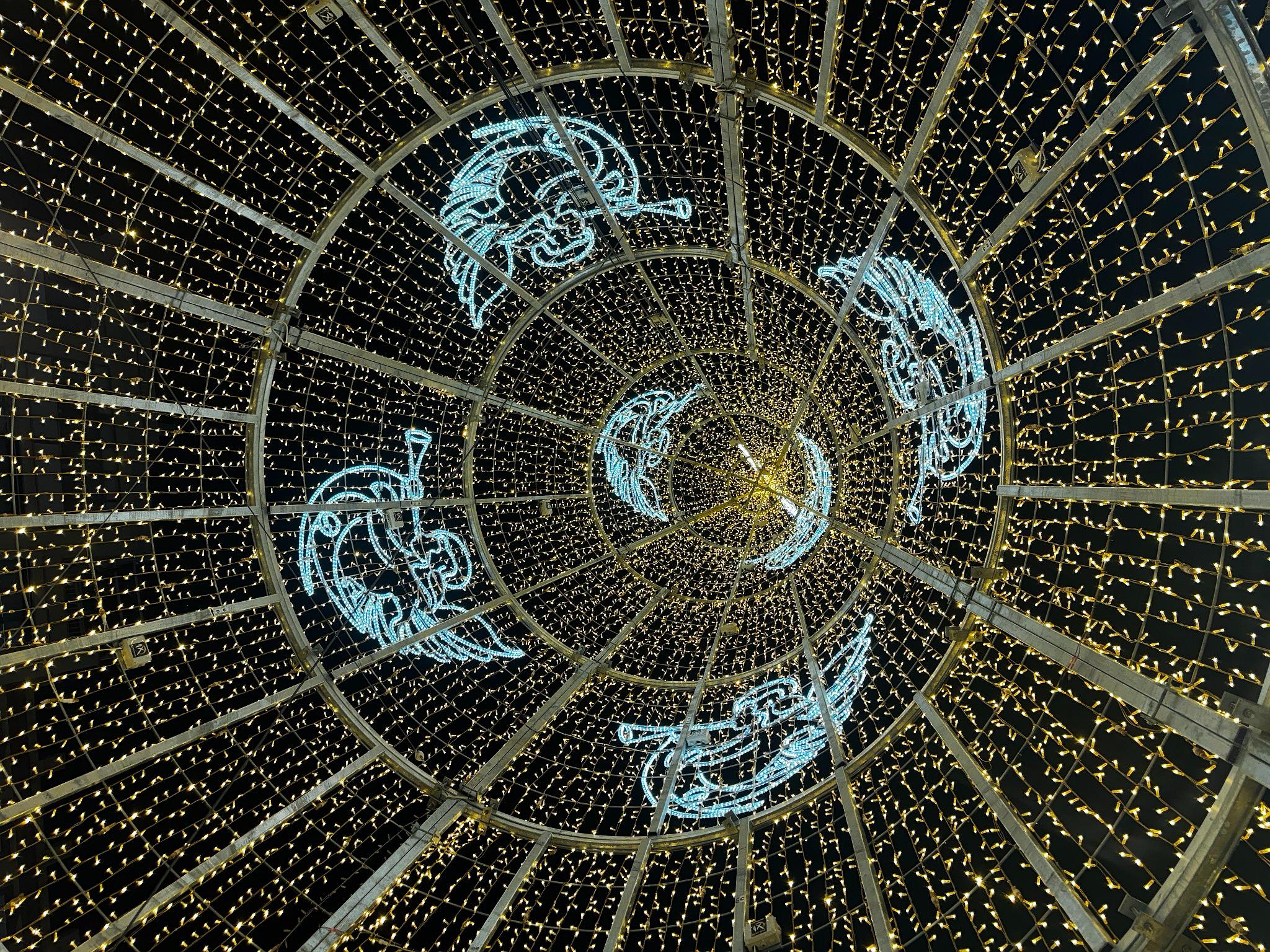
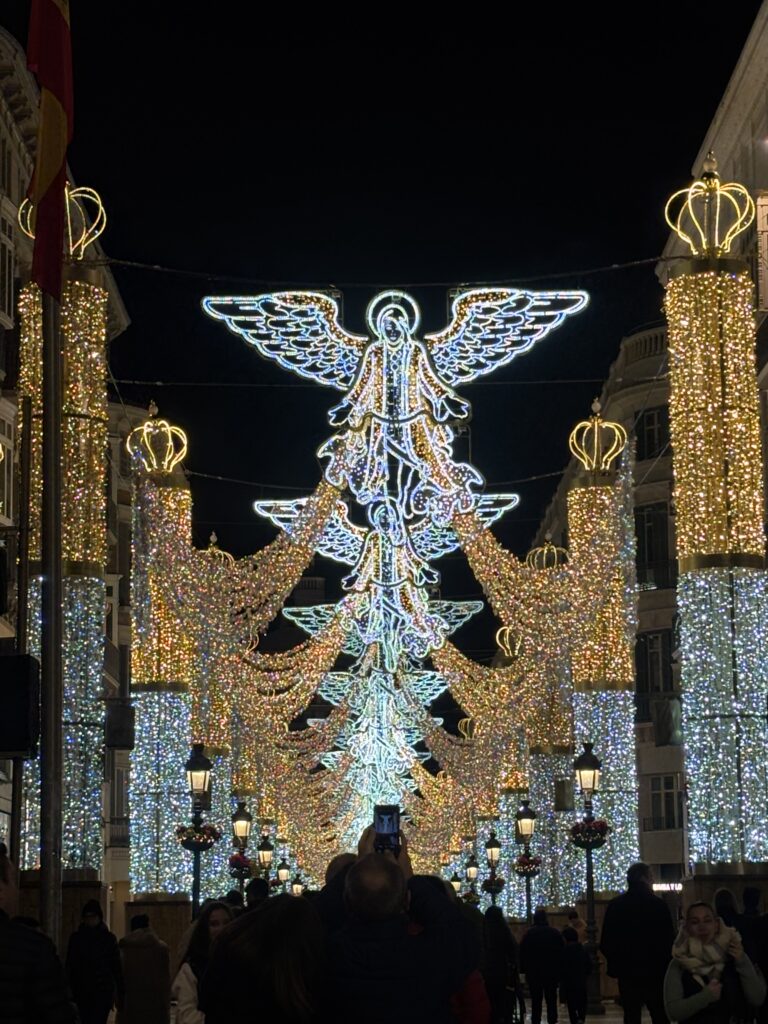
In Malaga, you can admire some of the most beautiful light installations in Europe. On Calle Larios, there are daily musical light shows featuring over 2 million LED lights. Elaborate installations, often with angel motifs, create a magical tunnel of light that delights hundreds of visitors every evening.
Besides the markets in Madrid (Plaza Mayor) or Barcelona’s most popular market – Fira de Santa Llúcia, the one in Seville is also worth visiting. Here, you will find stalls with handicrafts, ceramics, nativity scenes, and local delicacies that capture the spirit of Andalusian tradition. These are the perfect places to feel the magic of Spanish Christmas.
Traditions That Unite Generations
Christmas in Spain is also rich in traditions that bring families together for shared celebrations.
– One of the most characteristic customs is eating 12 grapes on New Year’s Eve. Each grape is meant to be a symbolic wish for the coming year, and eating them to the rhythm of the 12 chimes at midnight is said to bring good luck and prosperity. Spaniards also cherish the tradition of building nativity scenes, or “belenes”. They decorate homes, squares, and churches throughout the country – says Katarzyna Łatyk from International Investment Marbella.
Epiphany: A Second Christmas Celebration
Epiphany, or Día de los Reyes Magos, is celebrated on January 6th. It is one of the most important events in the Spanish calendar. Celebrations begin on the evening of January 5th. The main attraction of this day is the ceremonial procession, during which Caspar, Melchior, and Balthazar travel through the city streets on camels or richly decorated floats, distributing sweets to children. The oldest and most famous parade takes place in Alcoy.
On the eve of Epiphany, children prepare their shoes, hoping for gifts. According to tradition, good children receive presents, while naughty ones get coal, known as Carbón de Reyes.
Carnival in Malaga
Malaga is famous for its grand carnival – Carnaval de Málaga, with traditions dating back over 500 years. In 2025, it will begin on February 22nd and last until March 2nd. Most events take place on the Plaza de la Constitución, where parades, costume contests, concerts, and musical performances await guests. The ceremonial election of the Carnival King and Queen, which inaugurates the festivities, is one of the key attractions. On the second day, a colorful parade will march through the city streets. It will start on Pasillo de Santo Domingo and proceed towards Plaza de la Merced. On February 28th, the spectacular Drag Queen competition deserves special attention. It is one of the most anticipated events of the Carnival, drawing crowds every year. The Carnival concludes with the “Burial of the Sardine,” which takes place on La Malagueta beach, and a spectacular bonfire symbolically marks the end of the celebration.
Christmas and New Year in Andalusia are a special time. During this period, you can enjoy mild, sunny weather – the sun shines here even in winter.